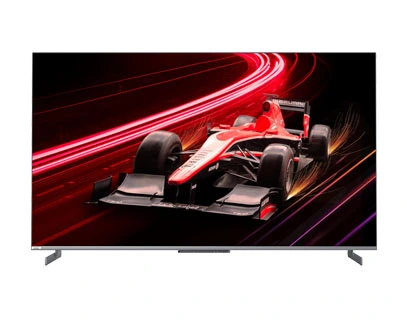
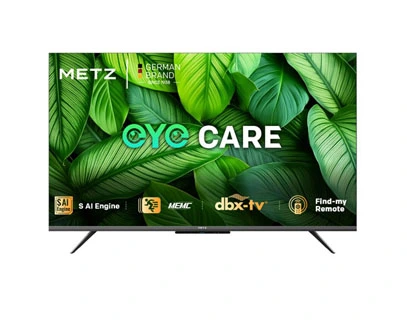
Nowadays, with the rapid development of technology and display technology innovation, the resolution of display devices has entered the 4K era. Some netizens have asked online whether a 4K monitor can be used to replace a 4K TV for watching programs? The answer is no, 4K monitor ≠ 4K TV. Today, let's uncover the differences between a 4K monitor and a 4K TV.
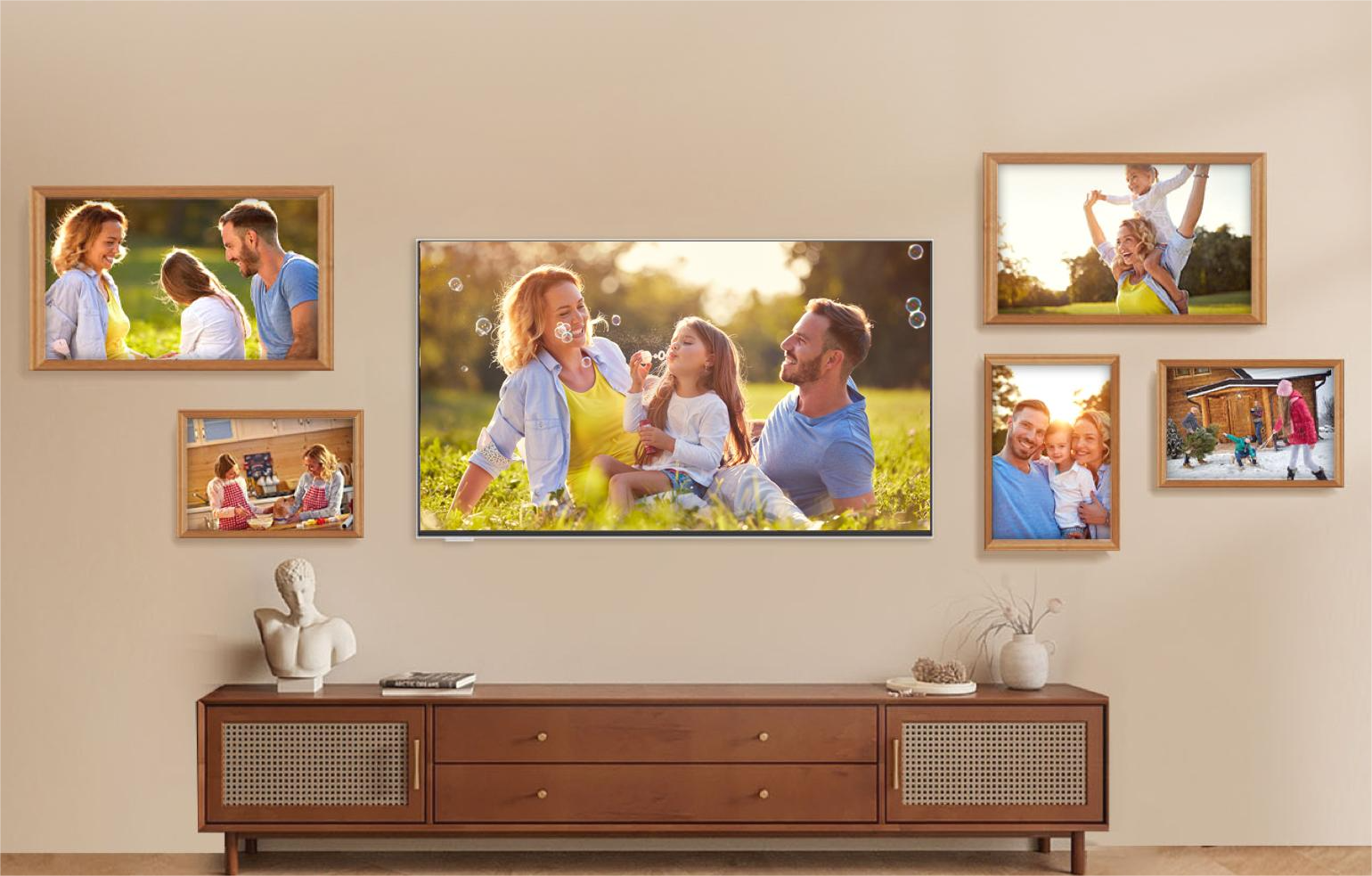
4K monitors are smaller, such as home computer monitors, which are mostly between 24 inches and 32 inches, with prices typically 2-3 times that of other similar 1080P monitors, and some high-end products priced over 10,000 yuan; whereas mainstream 4K TVs are mostly in the 50-inch to 60-inch range, some also support 3D stereoscopic display technology, and the prices are not high, mostly around 5000 yuan.
Although both 4K TVs and 4K monitors have the mainstream resolution of 3840*2160, and both are equipped with HDMI or DP interfaces that can output 4K resolution signals. The optimal viewing distance for display devices is about three times the height of the screen. For a 50-inch 4K TV, the optimal viewing distance is no less than 2 meters, while for a 24-inch 4K monitor, the viewing distance is about 50 to 80 centimeters, which exactly matches the current normal usage conditions of TVs and monitors.
Differences in grayscale performance
Image grayscale output can be divided into 256 levels, from 0 to 255, where level 0 is completely black and level 255 is completely white. Any grayscale level that cannot be accurately identified and output will cause color loss. Currently, PC hosts can output grayscale from 0 to 255 levels, which is complete grayscale output. However, 4K TVs are different; they do not need to achieve complete 256-level grayscale, as most TV programs as well as 4K videos and HD videos have a grayscale range of 16 to 235 levels.
Brightness is also a crucial difference between 4K monitors and 4K TVs. The brightness of mainstream LCD 4K monitors is generally not more than 400cd/m2, whereas the brightness of TVs, which are commonly used for video playback, starts at 300cd/m2, and some can even be increased to 500cd/m2.
In simple terms, the refresh rate is"how many frames can be displayed per second". The refresh rate boundary line for 4K monitors and 4K TVs is 30Hz. The lowest refresh rate for 4K monitors is generally 30Hz, while current mainstream monitor screens have reached refresh rates of 60Hz. Refresh rates for 4K TVs rarely exceed 60Hz, with most having a refresh rate of 30Hz or even 24Hz as the mainstream.
The main function of 4K TVs is to play TV programs and 4K videos.4K TVs are primarily used as televisions, playing movies, videos, or TV programs is their main job. However, for computers, 4K monitors serve different purposes.
4K monitors and 4K TVs have significant differences in terms of design and hardware configuration. 4K monitors are mainly paired with computers, so they are more focused on improving TV display technology, with other auxiliary functions handled by computers. To facilitate usage, 4K monitors are designed to be more portable, with easily accessible ports. On the other hand, 4K TVs are advancing towards smart technology and require more settings and components like CPUs, storage devices, etc. They are akin to small computers, designed to be quite large, and most families do not need to frequently change the position of their TV.
However, many so-called 4K TVs on the market often have marketing gimmicks. Is there a TV that can balance both 4K clarity and ensure a good refresh rate?
Skyworth TV has launched the flagship product in the Magic Sound™ series designed for young users— the true 120Hz no-flicker flagship, the Skyworth G6E PRO. From the screen, chip decoding, signal transmission to dynamic optimization, it fully supports 120Hz high refresh rate, raising the industry standard with "true 120Hz" smooth picture quality experience.
The Skyworth TV R&D team focused on four key aspects, offering a comprehensive configuration of "4K 120Hz QLED+anti-glare hard screen Matte Screen Pro + 4K 120Hz decoding + 4K 120Hz MEMC + 4K 120Hz HDMI2.1 transmission" to meet the high-performance display terminal needs of young users in various scenarios such as gaming and movie watching. The G6E PRO fully supports VRR (Variable Refresh Rate) from the interface to SoC to the screen, ensuring the screen refresh rate adapts in real-time to different input frame rates, effectively reducing image tearing and stuttering. With the performance of the Skyworth G6E PRO, issues such as stuttering and ghosting visible to the naked eye due to insufficient image processing power at 4K resolution and low refresh rate are unlikely to occur.
Additionally, let me tell you secretly, to meet the high performance-to-price ratio for young users, the G6E PRO is very cost-effective in terms of pricing. It is a value-for-money high-refresh-rate 4K TV for the young, so hurry and purchase one. You will truly get the Skyworth TV's "most understanding of young people" R&D intention.

 sales@skyworthau.com
 English
 français