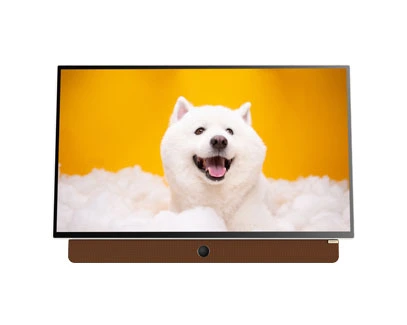
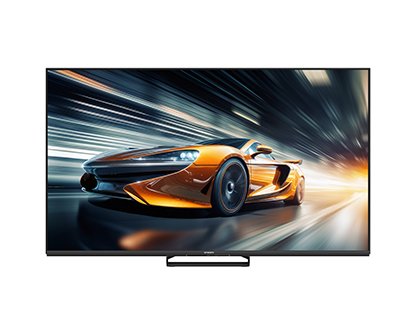
Choosing the right television is not simply a matter of buying the biggest screen your budget allows. SKYWORTH TV sizes from 50 to 85 inches create very different viewing experiences depending on room dimensions, seating distance, 4K resolution and how the television is used.
A 50- or 55-inch screen can feel well balanced in a bedroom or compact apartment, while 65 inches has become a practical large-screen choice for many living rooms. Moving to 75 or 85 inches makes more sense when movies, sport and gaming are priorities and there is enough distance between the sofa and screen.
The best size is therefore the one that creates immersion without making normal viewing uncomfortable.
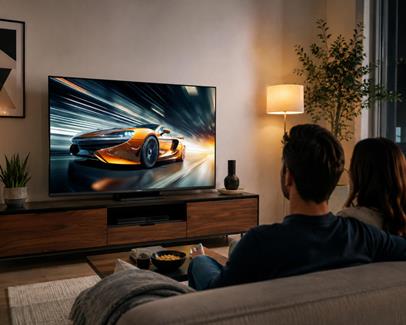
The right TV size depends primarily on viewing distance, available wall space, resolution and the type of content you watch most often.
Viewing distance should be measured from your normal eye position on the sofa to the screen. With a 4K TV, viewers can generally sit closer than they could with lower-resolution televisions because individual pixels are less noticeable.
Room layout matters just as much. A large display can technically fit on a wall but still feel oversized if it crowds furniture, blocks windows or dominates a narrow room.
Usage also changes the ideal choice. Films and gaming usually benefit from a larger field of view, while casual TV viewing may feel comfortable on a smaller screen.
As a starting point, buyers can consider a viewing distance of roughly 1 to 1.5 times the screen diagonal, then adjust according to personal preference.
In a TV 50 vs 55 comparison, the five-inch increase provides noticeably more picture area without dramatically changing the room requirements.
A 50-inch TV is a sensible choice for bedrooms, apartments and smaller living rooms. It offers a substantial picture while remaining easy to position on compact entertainment units or walls.
A 55-inch display provides approximately 21% more screen area than a 50-inch TV. That difference is noticeable when watching 4K movies, sport or content with subtitles, yet the overall dimensions remain manageable.
If seating is relatively close and wall space is limited, 50 inches can be enough. Buyers wanting a little more immersion without moving into a large-screen setup can consider a SKYWORTH 50 inch TV or step up to a 55-inch model according to room size.
A 65-inch television provides a substantially more immersive picture than a 55-inch TV and is often well suited to medium-sized living rooms.
Although the diagonal difference is only 10 inches, a 65-inch display has about 40% more screen area than a 55-inch screen. That makes the upgrade much more noticeable than the numbers alone suggest.
A 55 inch tv is still highly practical for apartments and smaller lounges where the sofa is relatively close. It can provide strong movie and streaming performance without visually dominating the room.
A 65-inch TV becomes more attractive when seating is farther away or when movies, gaming and live sport are important. If the room has enough wall width, the larger screen can create a more cinematic experience while remaining practical for everyday viewing.
For buyers who decide that 55 inches is the better fit, SKYWORTH 55 models sit within a size category suited to many Australian living rooms.
Moving from 65 to 75 inches is worthwhile when greater immersion is a priority and the room provides sufficient wall space and viewing distance.
A 75-inch display offers approximately 33% more screen area than a 65-inch TV. The difference becomes especially noticeable with widescreen movies, football, motorsport and console gaming.
A 65 inch smart tv remains the more versatile option for many standard living rooms because it provides a large image without requiring an especially wide wall. A 75-inch TV is better suited to larger lounges, open-plan spaces or dedicated entertainment areas.
Before moving up in size, consider whether the viewing position allows the whole screen to remain comfortably within your field of vision. Bigger is valuable when it increases immersion—not when viewers constantly need to move their eyes around the screen to follow the action.
An 85-inch TV is only too large when the room cannot provide enough viewing distance or wall space for comfortable viewing.
An 85-inch display has roughly 28% more screen area than a 75-inch model. This additional scale can transform movies, major sporting events and games into a much more theatre-like experience.
Before purchasing an 85 inch tv, measure the actual wall rather than relying on diagonal size alone. Marking the approximate width and height with removable tape is an easy way to judge whether the television will overwhelm surrounding furniture.
An SKYWORTH 85 screen is particularly suited to large living rooms and home-theatre environments where viewers want maximum visual impact. In smaller rooms, 65 or 75 inches may provide a better balance.
Recommended SKYWORTH TV sizes in inches can be estimated by combining seating distance, room type and the amount of visual immersion you prefer.
| TV Size | Approx. 4K Viewing Distance | Typical Room | Best Use |
| 50 inch | 1.3–1.9 m | Bedroom / apartment | Streaming, everyday TV |
| 55 inch | 1.4–2.1 m | Small living room | Mixed family viewing |
| 65 inch | 1.7–2.5 m | Medium living room | Movies, gaming, sport |
| 75 inch | 1.9–2.9 m | Large living room | Immersive entertainment |
| 85 inch | 2.2–3.2 m | Large room / home theatre | Movies and big-screen sport |
These distances are starting points rather than strict rules. Movie enthusiasts may prefer to sit closer for a wider field of view, while viewers mainly watching news or casual television may prefer greater distance.
Screen resolution should also be considered. At 4K resolution, a larger television can remain sharp at relatively close seating distances, which is one reason large-screen TVs are increasingly practical for residential use.
The best SKYWORTH smart TV size depends on how the room is used rather than on one universal recommendation.
For bedrooms and compact apartments, 50 or 55 inches usually provides enough visual impact without overwhelming the space. A 55-inch model also works well as a primary TV when the seating distance is short.
For general living rooms, 55 to 65 inches is a practical range. The 65-inch option becomes particularly attractive for households that regularly watch films, sport or play console games.
Large living rooms can comfortably support 75-inch TVs, while 85 inches is better suited to home theatres and larger spaces where a cinematic presentation is the priority.
SKYWORTH offers multiple size categories because room layout, viewing distance and content habits vary considerably between households. Buyers should determine size first, then compare Mini LED, QLED+, gaming and other features within that size range.
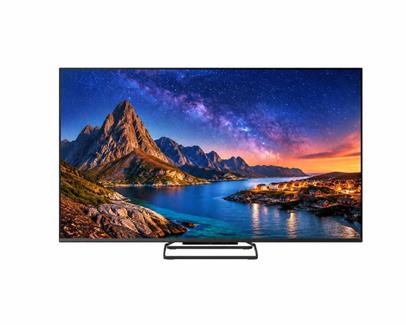
Choosing between SKYWORTH TV sizes should begin with viewing distance and room dimensions rather than the assumption that bigger is always better.
A 50- or 55-inch TV suits compact spaces, 65 inches provides a strong balance for many living rooms, and 75- or 85-inch models deliver greater immersion for large spaces and home theatres. Measuring the room and considering how the TV will actually be used makes it much easier to choose the right SKYWORTH smart TV size.
Is a 55-inch TV big enough for a living room?
Yes. A 55-inch TV is suitable for many small-to-medium living rooms, especially when seating is relatively close.
Is a 65-inch TV too big?
Usually not. A 65-inch TV works well in many medium-sized living rooms with adequate viewing distance.
Is the difference between 50 and 55 inches noticeable?
Yes. A 55-inch display provides approximately 21% more screen area than a 50-inch model.
Is there a big difference between 65 and 75 inches?
Yes. A 75-inch TV has about 33% more screen area, creating noticeably greater immersion.
Should I buy a 75-inch or 85-inch TV?
Choose 75 inches for a typical large living room and 85 inches when you have more space and want a stronger home-theatre experience.
Does 4K resolution affect the TV size I should buy?
Yes. Higher 4K resolution allows larger screens to remain detailed at relatively close viewing distances.
 sales@skyworthau.com
 English
 français